







Search Results for: Natural Sidamo G1
Ethiopian Natural Sidamo Coffee Bean Flavor Analysis: The Quality Leap from Traditional Natural to G1 Specialty
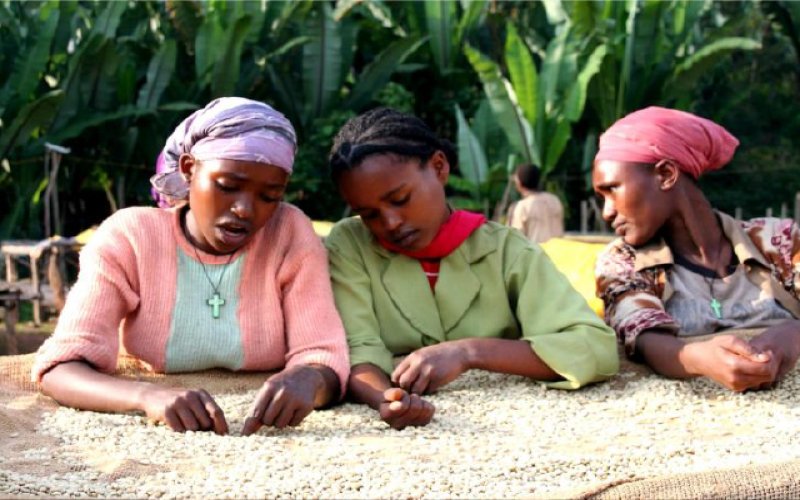
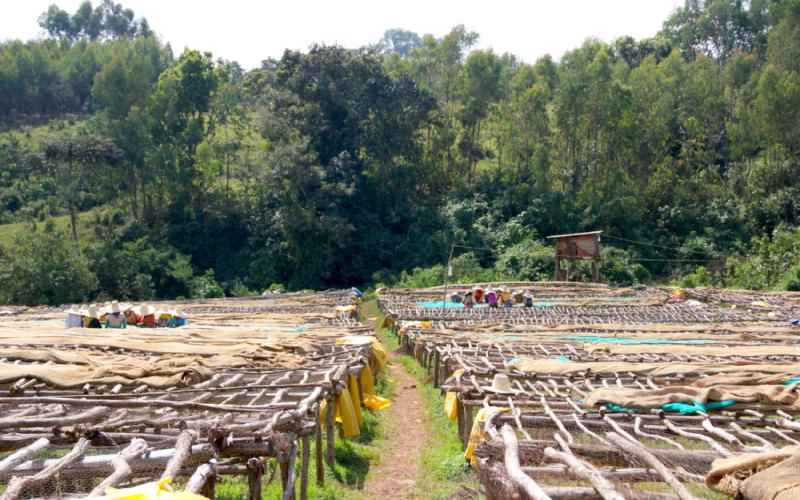
Sidamo is a famous specialty coffee region in Ethiopia, and its natural processing method has evolved from rough to refined. Traditional natural processing, due to direct sun-drying on the ground and a lack of sorting, produced unstable quality and was prone to off-flavors and defective beans. The improved natural method greatly enhances the coffee's cleanliness and sweetness through steps such as picking only fully red cherries, drying on raised beds, and manually removing defects. This article provides a detailed analysis of the flavor characteristics of natural Sidamo and explains how final sorting achieves the highest grade, G1. This natural Sidamo recommended by Front Street Coffee is a prime example of this refined processing and is well worth savoring slowly by coffee lovers. [more…]
Exploring Ethiopia's Sidama Region: From the Sidama Name Correction to a Flavor Analysis of Washed G1 Coffee Beans
Sidama is one of Ethiopia's most representative specialty coffee regions, and behind its name lies a history of shifting identity from Sidama to Sidamo. This article will guide you through a comprehensive understanding of the unique appeal of Sidama coffee, from the region's proper name, to the influence of traditional natural processing on flavor, and the flavor profile of washed G1 grade. At the same time, we will also review several representative products from the Front Street brand in this region, such as Natural Huakui and Hamasho 74158, and describe their taste characteristics in detail. Whether you are a beginner just getting into single-origin coffee or a seasoned enthusiast in pursuit of regional flavors, this article will provide you with a complete knowledge framework and tasting reference for the Sidama region. [more…]
Ethiopian Natural Sidamo Queen of Flowers Coffee: A Complete Guide to Heirloom Flavors, G1 Grade, and Pour-Over Parameters
Front Street Sun-Dried Sidamo Huakui coffee is renowned for its elegant floral aroma and rich fruity notes; it is sweet on the palate with a honey-like finish, yet very affordable at only 65 yuan for half a pound. Ethiopia, the birthplace of Arabica, is home to two renowned specialty regions—Yirgacheffe and Sidamo—each with distinct characteristics: the former uses washed processing to showcase a clean, bright jasmine aroma, while the latter uses natural processing to give the coffee a richer fragrance and sweetness. Huakui is the flagship representation of Sidamo natural beans. This article will walk you through the terroir of the Sidamo region, the origins of the Heirloom native variety used in Huakui, Ethiopia's G1 grading standard, and Front Street's recommended V60 brewing parameters, offering a comprehensive analysis of this bean's flavor code. [more…]
Ethiopia Sidamo Kebado Natural G1: A Specialty Coffee Benchmark Nurtured by the Red Cherry Project
Sidamo Kebado is a sun-dried specialty coffee from smallholder cooperatives in the Dale region of southern Ethiopia, prized for its exceptional flavor thanks to its high-altitude microclimate and distinctive agricultural landscape. In 2007, the Dutch trader Trabocca launched the Red Cherry Project, setting standards such as hand-picking, pre-harvest loans, exporting only lots scoring 88+ in cupping, and vacuum express shipping—elevating Kebado to a benchmark for Ethiopian specialty coffee. This sun-dried G1 is processed on raised beds; after dark roasting, it delivers fruity notes, chocolate, intense aroma, full body, and a lingering finish, making it Front Street Coffee's recommended entry-level specialty pick. [more…]
Ethiopian Washed Sidamo G1 Coffee Beans: From Grading and Roasting to a Comparison of Washed and Natural Flavor Sweetness
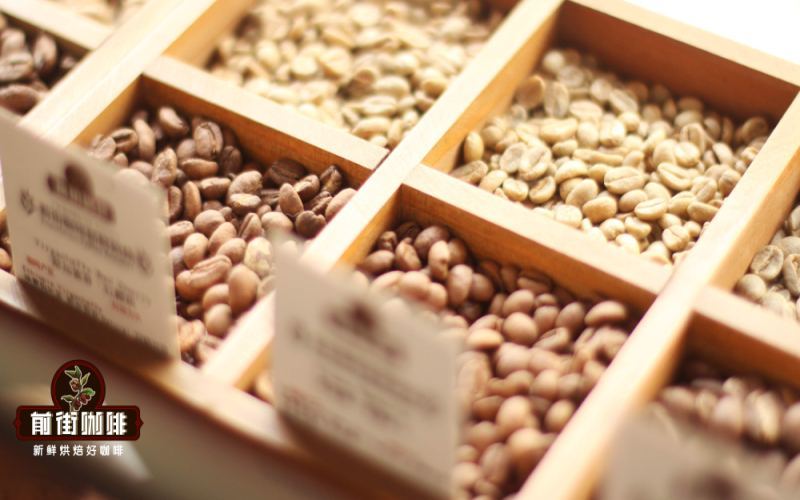
The Sidamo region is located in the southern highlands of Ethiopia and is known for its garden cultivation model, producing coffee beans with diverse flavors. The two processing methods, washed and natural, each have their own characteristics: washed Sidamo often carries citrus notes, nutty creaminess, and a slight cocoa aroma, while natural leans toward floral notes and fruity sweetness with acidity. What the two share is a smooth mouthfeel and pleasant acidity. In terms of grading, G1 represents the highest grade, with plump beans and balanced quality. The roast level directly affects its use; light-medium roasts are suitable for showcasing origin flavors as single-origin coffee, while medium-dark roasts can serve as an espresso base or in coffee blends. This article will focus on the Front Street Coffee Sidamo series products, including Huakui 11, Alo Village, and Natural Hamasho, and outline the green bean appearance, flavor characteristics, and brewing suggestions, helping coffee enthusiasts more clearly understand the differences between washed and natural processing in sweetness expression. [more…]
Analysis of the Grading Standards and Flavor Characteristics of Ethiopian Sidamo G1 Coffee Beans
Ethiopia, as the birthplace of coffee, has a uniquely distinctive coffee bean grading system. The Sidamo region is renowned for its bright citrus acidity and berry notes, while the G1 grade represents the lowest defect count and the highest quality level. This article will systematically introduce Ethiopia's grading method centered on the number of defective beans per 300 grams, compare the grading differences among Kenya, Jamaica, and other countries, and provide an in-depth analysis of how natural (dry) processing affects Sidamo's flavor. At the same time, Front Street Coffee recommends two of its representative products, ALO Arlo Village and Natural Red Cherry, along with V60 brewing parameters and flavor descriptions, offering coffee enthusiasts a complete understanding from green beans to the cup. [more…]
Analyzing the G1 Grade Difference Between Ethiopian Sidamo and Yirgacheffe: Flavor Characteristics of Washed Yirgacheffe
Yirgacheffe and Sidamo both belong to the southern producing regions of Ethiopia, yet because of its unique floral aroma and citrus notes, Yirgacheffe was separated from Sidamo Province and became a benchmark in the specialty coffee world. This article breaks down the appeal of Yirgacheffe one by one, from the producing region's background, washed processing techniques, and G1 grade classification, to a specific comparison of the flavors of Front Street Coffee's washed Giddingding and natural Red Cherry. If you have not yet experienced the classic Yirgacheffe flavor, you may want to follow this article to learn what makes this coffee, with its bright acidity and richly layered aroma, so special. [more…]
Ethiopia Sidamo Guji Hambela Huakui: A Complete Analysis of the Grade and Flavor of Natural G1 Coffee Beans
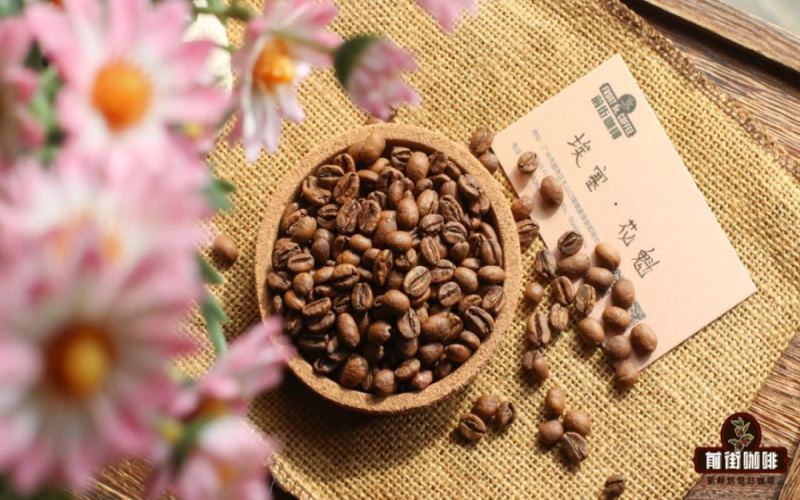
Since its emergence in 2017, Huakui coffee beans have quickly become a popular choice in the specialty coffee scene, thanks to their intense juicy body and floral-fruity aroma. They come from Guji Hambela in the Sidama region of Ethiopia, and are known for their natural processing method and G1 grade. This article will walk you through Huakui's terroir, its TOH championship experience, its traditional natural processing technique, and the quality and flavor characteristics of Front Street Coffee's Huakui coffee beans—ideal reading for any coffee lover who enjoys naturally processed Sidama coffee. [more…]
A Detailed Guide to Ethiopian Coffee Bean Grading: From Regional Cultivation to the Differences Between Yirgacheffe G1 and G3
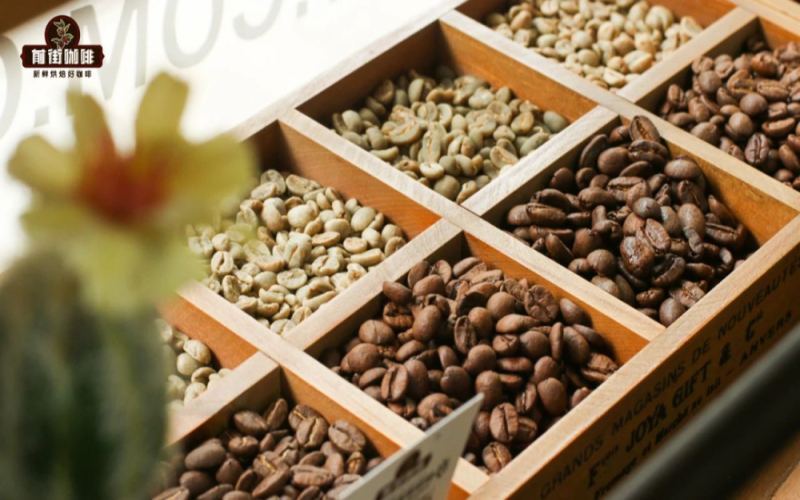
Ethiopia is the birthplace of Arabica coffee and one of the most prominent producing countries in the specialty coffee world. Regions such as Yirgacheffe, Sidamo, and Harar each have their own distinctive characteristics, while grade designations like G1, G2, and G3 are key information that is impossible to avoid when buying Ethiopian beans. From the perspective of Front Street Coffee, this article systematically sorts through Ethiopia's coffee cultivation models, native varieties, the two processing methods of natural and washed, the flavor profiles of nine major producing regions, and the ECX-led grading system. The article will also focus on analyzing the actual differences between Yirgacheffe G1 and G3 in defect rate, bean appearance, and cupping performance, and will include the roasting curve and V60 brewing parameters for Front Street Coffee's Huakui natural beans, helping readers comprehensively understand the quality logic of Ethiopian coffee. [more…]
Ethiopia Sidamo Natural G1 Coffee Beans: Fruit Gummy Flavor and Bensa Region Analysis
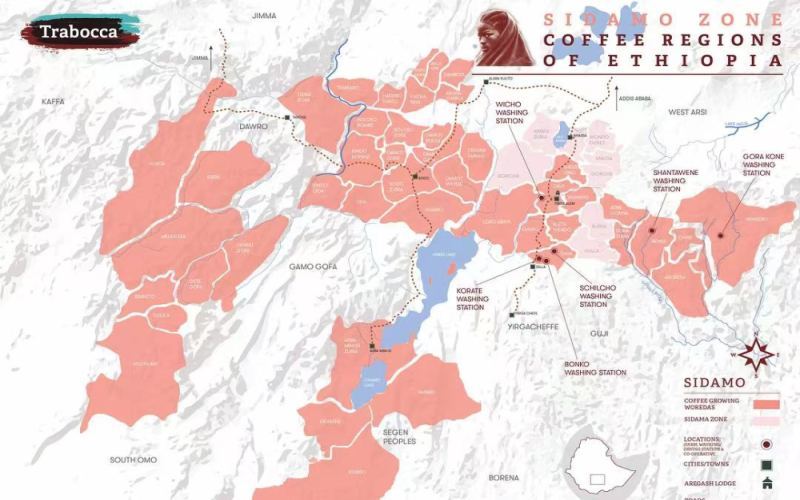
Sidamo coffee has always captured the hearts of many coffee lovers with its bright acidity, sweet floral aroma, and rounded juicy body. This article systematically explores the charm of Sidamo coffee, from its producing region background, the origin of its name, its performance on the COE list, to the cultivation and processing details of the Bensa micro-region. As a loyal fan of Sidamo, Front Street brings you several single-origin recommendations, among which the Front Street Hamasho natural bean comes from the high-altitude Bensa producing area, presenting light floral notes with fruity sweet-tartness. Whether you are new to specialty coffee or looking for your next daily staple bean, this content will help you gain a more comprehensive understanding of Sidamo's unique value. [more…]
Ethiopian Natural Sidamo Yirgacheffe G1 Coffee Beans: A Comprehensive Analysis of Flavor Characteristics, Origin Background, and Cupping Performance
The Sidamo region is one of the important representatives of Ethiopian specialty coffee, and the natural processing method adds rich fruity aromas and fermented sweetness. The Ardi G1 coffee beans introduced in this article come from the Guji region of Sidamo Province, at an average altitude of about 1,900 meters, and are produced jointly by 700 local smallholder families. They have received high scores from CoffeeReview multiple times. Their flavor presents layers reminiscent of wild berries, mango, pineapple, golden kiwi, and lemon sandwich cookies, with elegant acidity and a long finish. Front Street Coffee recommends this bean as a typical sample for experiencing the natural flavor of Ethiopian coffee. The following sections will comprehensively outline the core information about this bean from the perspectives of regional background, processing method, flavor description, and award records. [more…]
A Comprehensive Analysis of Ethiopian Sidama Washed Coffee and the Shakiso Region Classification System
Ethiopia's Sidamo region is renowned for its diverse flavors and exceptional terroir, standing alongside Yirgacheffe as a major specialty coffee stronghold. This article begins with an overview of the Sidamo region's characteristics, then examines the terroir conditions and signature coffees of sub-regions such as Guji, Hambela, and Shakiso one by one. It also explains in detail Ethiopia's G1 to G6 grading system, which is based on the proportion of defective beans, and compares how the two major processing methods—washed and natural—affect flavor profiles. At the same time, it presents Front Street Coffee's professional recommendations and tasting perspectives on this region, guiding you to a deeper understanding of the full picture of Sidamo coffee. [more…]
Ethiopia Guji Ana Sora Farm Natural Sidamo G1: Single Estate Lot 3 Flavor and Origin Interpretation
Located in the Guji region of Ethiopia, the Anasora Farm is a rare single-estate coffee production site in the country, covering about 250 hectares at an altitude of 1,900 to 2,350 meters. This Lot3 batch is processed using the African raised-bed single-layer slow sun-drying method, presenting a complex aroma of strawberry cookie, mixed berries, citrus, and florals, accompanied by maple-syrup-like sweetness and a solid, rich mouthfeel. The delicate blueberry aroma from high fermentation, the sweet, full-bodied coffee, and the typical Sidamo depth at medium temperatures give this bean a long finish and lingering sweetness. Front Street Coffee recommends it to enthusiasts who love sun-dried Ethiopian coffee. This article will outline the estate's background, trends in the Guji region, and relevant Oromo context to help readers fully understand the origins and story of this bean. [more…]
How Is the Ethiopian Sidama G1 Grade Assessed? A Full Analysis of the Relationship Between Huakui Coffee and the Guji Region
Sidamo is one of Ethiopia's most renowned specialty coffee regions, sharing equal fame with Yirgacheffe yet often overshadowed by the latter's halo. Starting from Sidamo's geographical environment and flavor characteristics, this article traces the independent journey of the Guji region, tells the complete story of Huakui coffee from TOH champion to domestic stardom in detail, and provides an in-depth analysis of Ethiopia's green coffee grading system—from the defect bean counting of the CLU era to the ECX's dual-dimensional scoring of physical and cup quality—helping readers understand the true meaning of the G1 grade. It also includes Front Street Coffee's brewing parameter recommendations for the 2025 new-crop Huakui, making it suitable for enthusiasts who want to gain a deeper understanding of the Ethiopian coffee system. [more…]
Flavor Analysis of Natural Process Sidamo Guji Huakui Coffee Beans: A Complete Guide from Hambela Estate to G1 Processing
As a representative of Ethiopian natural-process beans, Geisha coffee has captured the taste buds of many coffee lovers with its rich floral and fruity aroma and honeyed sweetness. This article provides a comprehensive analysis of the growing region background, origin of the name, variety characteristics, grade standards, and processing techniques of natural Sidamo Geisha, and shares Front Street Coffee's brewing recommendations. From the first-generation Geisha that won the TOH championship in 2017, to the batch suffixes that have changed year by year, and further to the traceability information of the Buku Abel processing station in the Hambela region, this one article will help you fully understand this specialty coffee that is as sweet and fragrant as fruit tea. [more…]
Ethiopian Sidamo Flower Queen Coffee: A Comprehensive Analysis of the Grading System, Hambela Region, and Natural Process Brewing
The Huakui coffee from the Sidamo region has become a star among Ethiopian natural beans, thanks to its rich floral and fruity aromas and honeyed sweetness. This article begins with Ethiopia's coffee grading standards, sorting through the two systems of cupping scores and green bean defect rates, and explaining the differences between G1 and G3 grades as well as the impact of ECX reform on the grading of natural beans. It then focuses on Hambela in the Guji region, introducing Huakui's origin terroir, farm background, traditional natural processing, and the origin of its name from winning TOH. Finally, it includes Front Street Coffee's light roasting approach for Huakui and V60 three-stage brewing parameters, helping readers fully understand the flavor sources and extraction key points of this bean. [more…]

A Comprehensive Analysis of the Flavor Characteristics, Roasting, and Brewing of Ethiopia Sidamo Guji Lion King Natural G1 Coffee Beans
Sidamo, as a long-renowned specialty coffee region in southern Ethiopia, nurtures richly layered coffee flavors thanks to its diverse terrain and fertile volcanic soil. This article focuses on the Sidamo Lion King Natural G1 lot launched by Front Street Coffee, analyzing it one by one from the region's background and cooperative source, to the natural processing flow, green bean characteristics, roasting curve design, and pour-over parameters. This coffee has a profile close to floral and tropical fruit notes, with a smooth and balanced mouthfeel, and lively, ever-changing layers, making it suitable for coffee lovers who enjoy bright acidity and clean flavors to explore in depth. [more…]

A Comprehensive Analysis of Sidamo Huakui Natural G1 Coffee: From Regional Origins to Flavor and Brewing Essentials
Ethiopia is not only about washed Yirgacheffe—the sun-dried Huakui from the Sidamo region is equally stunning. In this article, Front Street Coffee gives you a comprehensive look at the origin of the name Huakui, the terroir conditions of the Guji and Hambela regions, the sun-drying process at the Buku Abel processing station, and the evolution of Huakui from version 1.0 to 6.0. It also explains the G1 grade standards, heirloom variety characteristics, and brewing parameters, along with practical brewing suggestions from Front Street Coffee to help you better appreciate this bean's signature rose fragrance, peach notes, and black tea finish. [more…]
Analysis of Flavor Differences Between Ethiopian Yirgacheffe and Sidamo G1 Coffee and the Washed Processing Method
Yirgacheffe was originally a small town under the Sidama Province. With its distinctive white floral aroma and citrus notes, it eventually became independent from the Sidama producing region and grew into an iconic symbol of Ethiopian specialty coffee. This article will guide you through the flavor differences between Yirgacheffe and Sidama, take a deep dive into why the washed processing method is so costly in Ethiopia, and explain what the G1 grade specifically means. At the same time, we will compare the flavor characteristics of two G1 beans—washed Gedeb and natural Red Cherry—as well as Front Street Coffee's product recommendations as a fresh-roasting brand. Whether you are a beginner just getting into acidic coffee or a seasoned connoisseur looking for a daily staple, you will find useful reference information here. [more…]
A Complete Analysis of the Flavor and Mouthfeel of G1 Grade Coffee Beans from Ethiopian Regions Such as Yirgacheffe and Sidama
As the birthplace of coffee, Ethiopia boasts numerous coffee regions with distinctive characteristics. Among them, Yirgacheffe, Sidamo, and Harar are the most well-known, while the G1 grade represents the highest quality coffee beans in the country. This article will take you on an in-depth journey through the terroir and characteristics of Ethiopia's nine major coffee regions, from the rich fruity aromas of Yirgacheffe to the delicate floral notes of Sidamo, from the wild mocha of Harar to the balanced flavors of Jimma, and will provide a detailed analysis of the flavor profiles and tasting characteristics of G1 grade coffee beans from each region, offering coffee lovers a complete guide to Ethiopian coffee. [more…]